
If you’re planning to place a shipping container on your property, one of the first questions you’ll probably ask yourself is: do I actually need to prepare the ground surface for a container first? The short answer is yes -and in this article, we’ll explain why, as well as walk you through exactly what’s involved so that your container sits safely, stays level, and lasts for years to come.
Why the Ground Surface for a Container Actually Matters
It might be tempting to think that a shipping container is tough enough to handle any ground condition -and in many ways, it is. However, the reality is that even the most durable container will run into problems over time if it’s placed on an unstable or poorly prepared surface.
Because containers are designed to bear their load on the four corner posts, the ground beneath those corners needs to be firm and level. If the surface isn’t properly prepared, the container can shift, sink, or warp -and that leads to doors that won’t open, structural stress on the frame, and in some cases, damage to whatever you’re storing inside.
So, whether you’re buying or renting a container for storage, a workspace, or another purpose, getting the ground right from the start will save you a lot of headaches down the track.
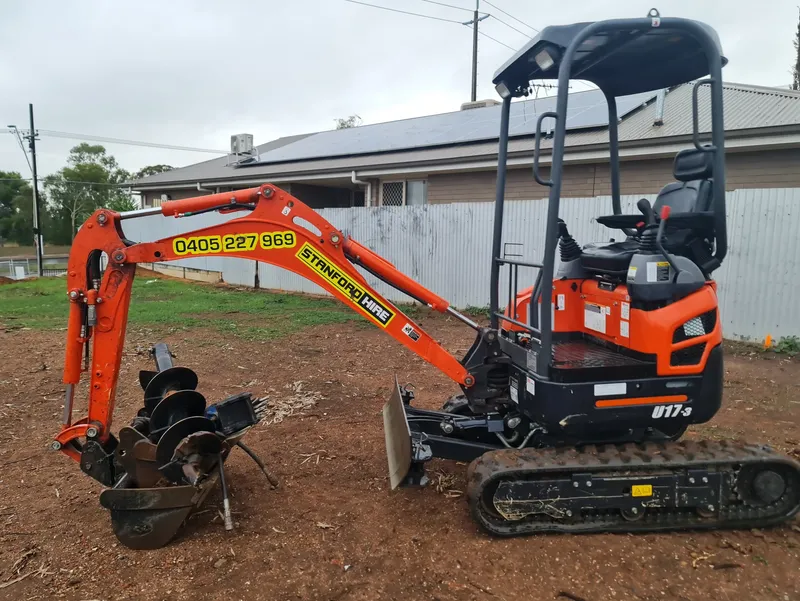
What Type of Ground Surface for a Container Works Best?
There’s no one-size-fits-all answer here, since it really depends on your specific site and how you plan to use the container. That said, there are a few common options that work well in South Australian conditions.
Concrete slab is generally considered the gold standard. It offers a flat, stable, and long-lasting base that won’t shift with rain or dry weather. It’s particularly recommended if you plan to use the container as a permanent storage unit or a converted living or working space.
Compacted gravel is a more cost-effective option and works well for temporary or semi-permanent setups. As long as the gravel is properly levelled and compacted, it provides solid drainage and a reliable base for your container.
Railway sleepers or timber bearers are also widely used. They’re placed underneath the four corners of the container to distribute the weight and keep the floor off the ground, which also helps with ventilation and rust prevention.
Existing concrete or pavement can work in some cases, but it’s important to check that it’s level and structurally sound before delivery.
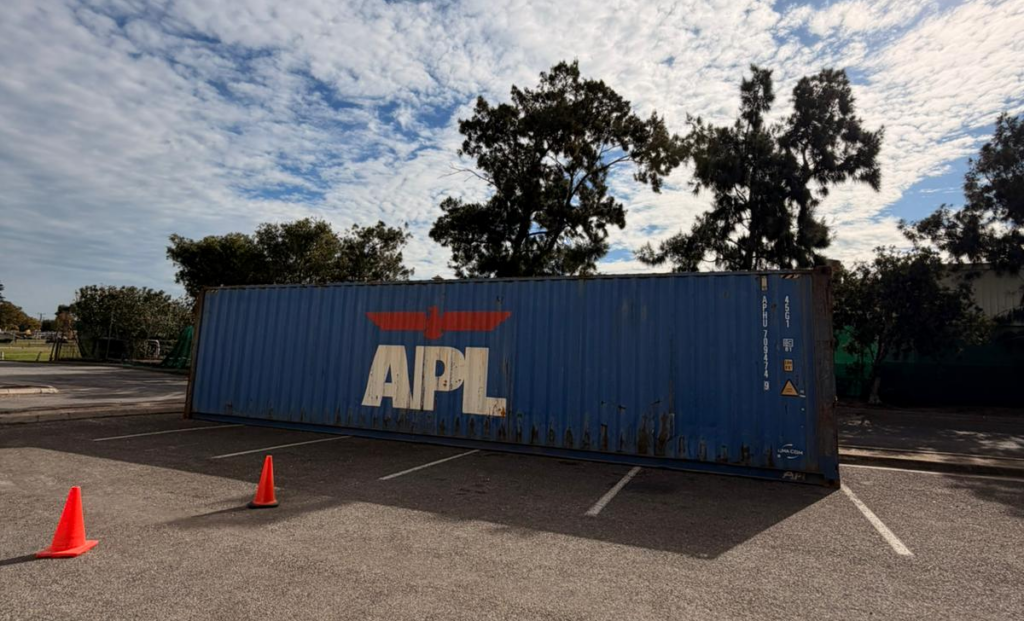
How to Prepare the Ground with Stanford Hire: Step by Step
Stanford Hire offers dry hire of compact machinery under 3.5T, ready to operate on private property with no license required. Based in Two Wells, they cover a 40km delivery radius across Adelaide North, with Shane personally delivering and demonstrating every machine. Their well-maintained, fully serviced fleet ensures reliable, surprise-free performance directly on your site.
Now that you know where to get your machinery and what surface options are available, let’s look at how to actually get the ground ready. While the exact process will vary depending on your site, the following steps give you a solid starting point.
Step 1: Check the Ground Level for Your Container Surface
Before you do anything else, check how level the site is. Ideally, the ground should be within 25mm of level across the full footprint of the container. If there’s more variation than that, you’ll need to address it before delivery day.
Step 2: Clear the Area and Remove Any Vegetation
Make sure the area is free of grass, weeds, and loose debris. Vegetation underneath a container traps moisture, which speeds up rust and can attract pests. Clearing and spraying the area with a weed killer a few days before is a good practice.
Step 3: Excavate and Compact Soil with the Help of Stanford Hire
If the ground is soft or uneven, you’ll likely need to excavate the top layer and compact the subsoil before adding your chosen surface material. This is where having the right equipment makes a significant difference -and it’s worth doing properly rather than cutting corners.
This is also the stage where many people realise they need a hand. If you’re based in Adelaide, Stanford Hire -a family-run equipment hire business, can help. They offer excavator hire, mini loader hire, plate compactor hire, and tipper trucks, all of which are perfectly suited for site preparation work like this. Whether it’s levelling, trenching, or removing excess soil, their equipment hire service covers everything you need to get the job done efficiently. You can check out their full range at stanfordhire.com.au.
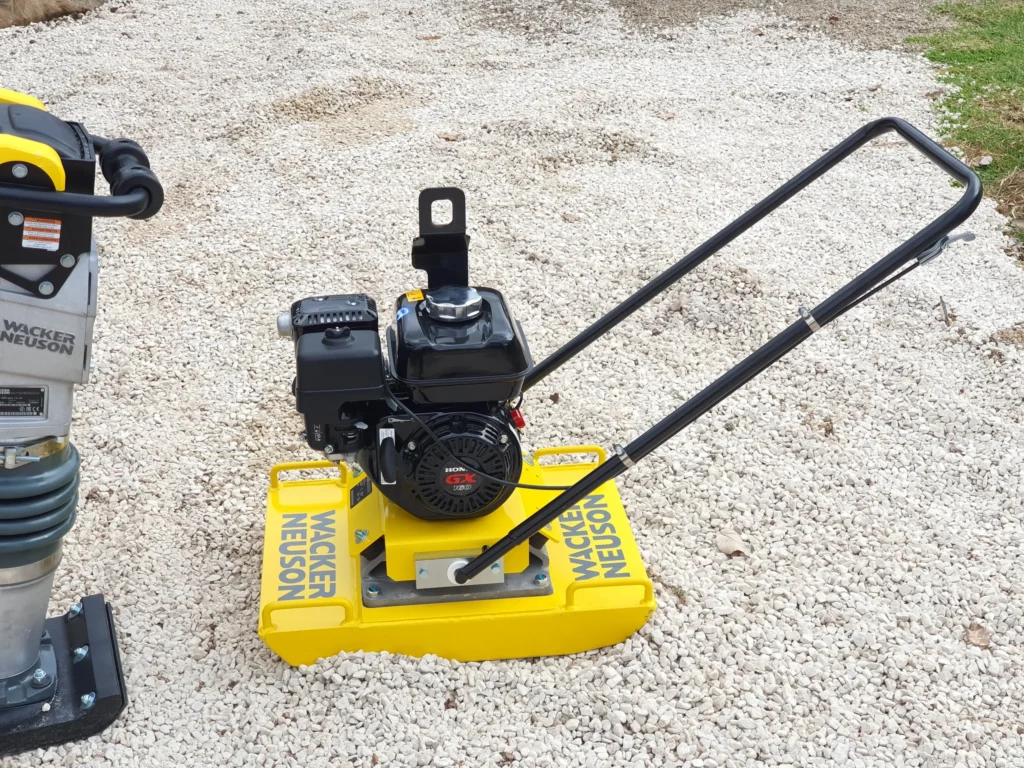
Step 4: Lay Your Base Material
Once the ground is excavated and compacted, it’s time to lay your chosen base material -whether that’s gravel, concrete, or bearers. Make sure everything is level before the container arrives, since it’s much harder to adjust once it’s on site.
Getting Your Container Delivered to the Prepared Site
Once the ground surface for the container is ready, the next step is arranging delivery. At Central Shipping Containers, we make this part of the process as straightforward as possible. We transport 20ft and 40ft containers across South Australia using our own truck and side loader, which means we can place containers exactly where you need them -as long as there’s safe access to the site.
A well-prepared surface also means a smoother delivery. Our drivers can set the container down with much greater precision on a flat, stable base, and you won’t risk any last-minute surprises when the unit arrives.
Whether you’re looking to buy a new or used container, or you’d prefer to rent one for a shorter-term project, we have a range of options to suit different budgets and needs. Our containers are available in 20ft and 40ft sizes, both new and used, and our team is always happy to answer any questions before you commit.
Common Mistakes to Avoid When Preparing a Container Surface
Even with the best intentions, there are a few mistakes that people often make when getting a site ready. Here are the main ones to watch out for:
Not checking for underground services. Before you start digging, always check with your local council or contact Dial Before You Dig. Hitting a service line is dangerous and costly.
Underestimating drainage. A flat surface that doesn’t drain properly will eventually cause waterlogging around the container base. Make sure the site has a slight slope away from the container, or that your gravel base has adequate drainage built in.
Skipping compaction. Loose soil or gravel that hasn’t been properly compacted will settle unevenly over time, which can cause the container to shift. If you are not sure how to do it, Shane Stanford himself will explain how the equipment works, and will be available by phone throughout your hire. If you have a question about which machine suits your job, give Shane a call on 0405 227 969.
Leaving it too late. If you’re having concrete poured, allow enough time for it to cure fully before the container arrives. Rushing this step can damage the slab and create levelling issues.
Final Thoughts
Preparing the right ground surface for a container isn’t complicated, but it does require some planning and the right tools and the great team at Stanford Hire. By taking the time to level the site, choose an appropriate base, and get the ground properly compacted, you’re setting yourself up for a much better long-term outcome.
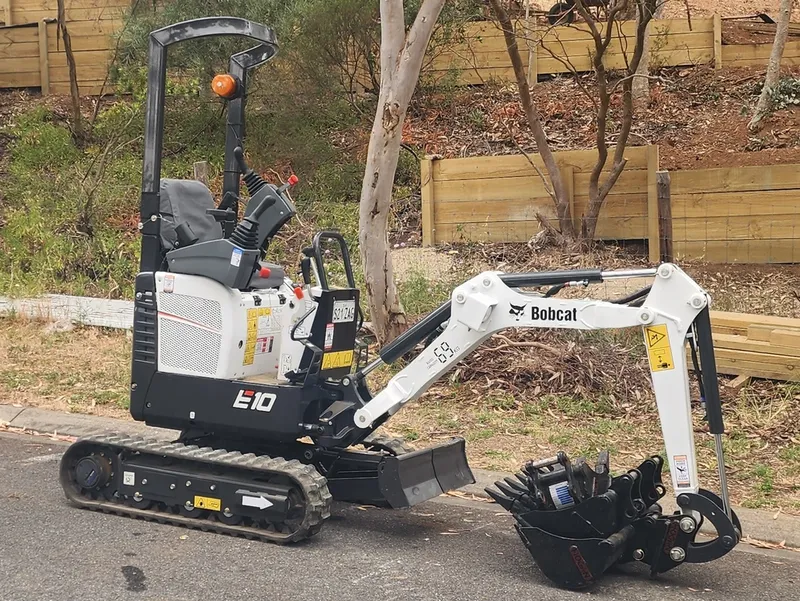
If you need equipment to get the job done, Stanford Hire in Two Wells has everything from excavators to compactors available for hire across Adelaide’s northern suburbs. And when you’re ready to get your container delivered, the team at Central Shipping Containers is here to help. From choosing the right size through to transport and placement across South Australia.
Get in touch with Central Shipping Containers today at 0409 731 492, or visit centralshippingcontainers.com.au to find the right container for your project.